
The Top 5 Benefits of Permanent Dental Implants
Discover why permanent dental implants are considered the gold standard for tooth replacement, offering bone preservation, 90%+ bite force, and lifelong durability.
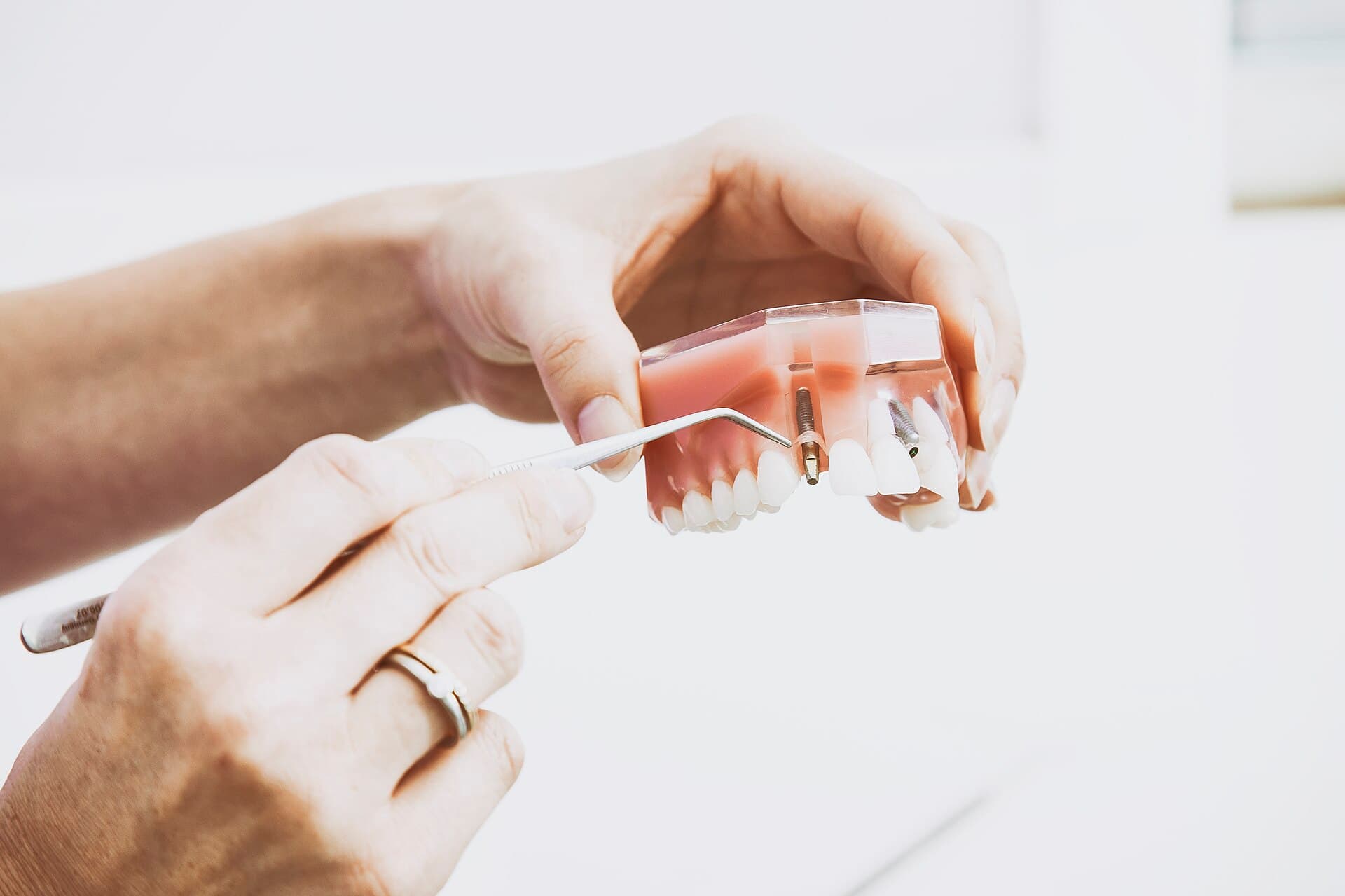
Losing one or more teeth is more than just a cosmetic concern. Tooth loss sets off an invisible chain reaction in your mouth: neighbouring teeth begin to tilt, the opposing tooth over-erupts, and the underlying jawbone gradually resorbs due to the absence of natural root stimulation.
While removable dentures and traditional bridges were once the only options, modern implantology has revolutionized restorative dentistry. Today, dental implants are globally recognized as the gold standard for tooth replacement. Here are the top five reasons why dental implants provide the most predictable and permanent solution for missing teeth.
1. Complete Preservation of the Jawbone
When you lose a natural tooth root, the alveolar bone that previously surrounded and supported it begins to deteriorate. Within the first year following an extraction, up to 25% of bone width can be lost if left unrestored.
Dental implants are made of biocompatible medical-grade titanium (or zirconia). When placed into the jaw, they undergo osseointegration—a biological process where living bone cells fuse directly to the implant surface. This mimics natural tooth roots, transmitting chewing forces into the jaw and stimulating continuous bone maintenance, preventing the sunken facial appearance associated with long-term tooth loss.
2. Full Chewing Force and Natural Diet Freedom
Traditional removable dentures typically restore only about 20% to 30% of your original chewing efficiency. As a result, denture wearers often have to eliminate fibrous vegetables, crunchy fruits, and hearty foods from their diets.
Because dental implants are rigidly anchored into your jawbone, they restore 90% or more of your natural bite force. You can comfortably enjoy apples, nuts, corn on the cob, and traditional foods without fear of slippage, clicks, or gum sores.
3. Protection of Adjacent Sound Teeth
To place a conventional three-unit dental bridge, the healthy teeth on either side of the empty space must be aggressively ground down and reshaped to serve as anchor abutments. Sacrificing virgin enamel permanently compromises those teeth and increases their future vulnerability to decay and root canal issues.
In contrast, a single dental implant is completely freestanding. It replaces the missing tooth without altering or compromising any adjacent teeth, keeping your natural dentition intact and healthy.
4. Unmatched Natural Aesthetics and Clear Speech
Ill-fitting dentures or bulky restorations can cause speech impediments, clicking sounds, and a constant fear of slipping during conversations or laughter. Dental implants emerge through the gum tissue precisely like a natural tooth.
Paired with custom monolithic zirconia or E.max ceramic crowns, implants match the hue, translucency, and light-reflective qualities of your natural smile. They stay permanently anchored in your mouth, allowing you to speak, smile, and laugh with complete confidence.
5. Exceptional Longevity and Lifetime Value
While traditional bridges and dentures usually need replacement or refitting every 5 to 10 years, dental implants boast a clinical success rate exceeding 98%. With diligent home oral hygiene and periodic professional cleanings, the titanium implant post can easily last for the rest of your life.
Although the upfront investment in implants is higher than temporary appliances, their durability makes them the most cost-effective and predictable restorative solution over a lifetime.
Are You a Candidate for Dental Implants?
Most adults in good general health who have adequate jawbone density are excellent candidates for dental implants. Even patients who have suffered bone loss can often receive implants with modern bone grafting, sinus lifts, or specialized All-on-4 configurations.
At Rajesh Cosmetic and Implant Dentistry in JP Nagar, Dr. Rajesh Panchineni leverages German-trained implantology protocols and digital 3D CBCT scanning to plan each implant with microscopic precision.
Frequently Asked Questions
How long do dental implants last?
With proper oral hygiene and regular dental checkups, the titanium implant post can last a lifetime. The porcelain crown attached to the implant typically lasts 15–20 years before minor maintenance or renewal might be required.
Is dental implant surgery painful?
No. The procedure is performed under profound local anaesthesia and is virtually painless during surgery. Most patients report that recovery is very mild, often requiring only over-the-counter pain medication for 24–48 hours.
How do implants compare to traditional bridges?
Bridges require cutting down adjacent healthy teeth to support the fake tooth, and they do not prevent bone loss beneath the missing tooth. Implants replace the tooth root independently, protecting bone and neighbouring teeth.
How long does the dental implant process take?
The surgical placement takes only 30–60 minutes per tooth. Osseointegration (bone fusion) usually takes 6 to 12 weeks, after which the permanent ceramic crown is secured. In select cases, immediate provisional teeth can be placed on the same day.
Related Reading
What to Expect During a Full Mouth Rehabilitation
A comprehensive guide to the timeline, diagnostic stages, and transformative results of a full mouth rehabilitation designed to restore bite, form, and function.
Closing Gaps Between Teeth with E.max Veneers: A Real Smile Transformation
See how our cosmetic dentist in Bengaluru closed multiple gaps between the upper front teeth using ultra-thin E.max porcelain veneers, with real before and after results.